

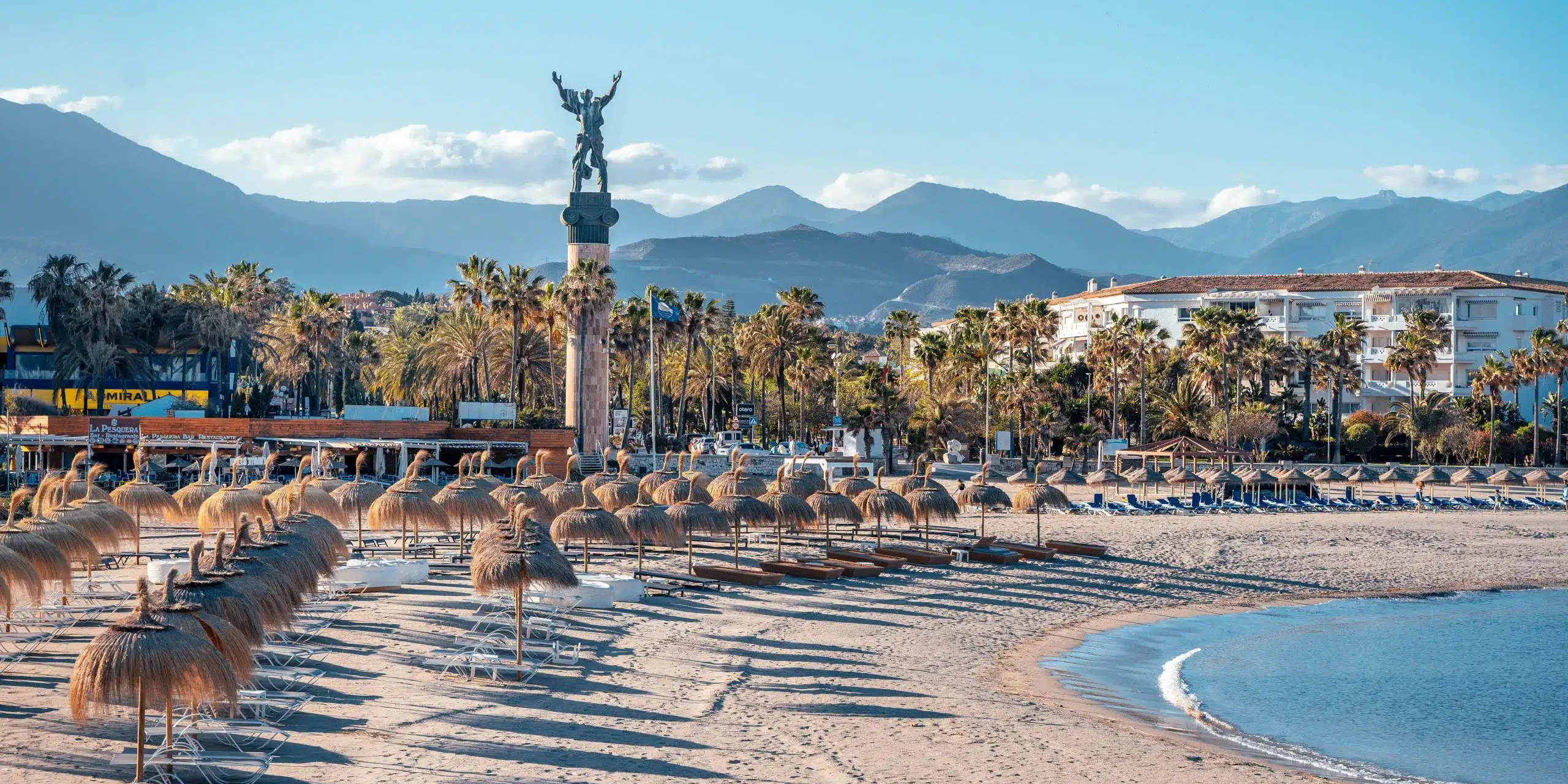
Marbella: From its Origin to a Modern Paradise
A Legacy of History, Prestige, and Timeless Appeal by LuxuryForSale.Properties
Marbella is far more than a glamorous seaside destination. Beneath its refined surface lies a rich historical narrative that has shaped its evolution into one of Europe’s most exclusive luxury enclaves. At LuxuryForSale.Properties, we understand Marbella not only as a location, but as a lifestyle defined by heritage, vision, and enduring prestige.
From ancient civilisations to modern ultra-luxury living, Marbella’s story is one of transformation, resilience, and exceptional appeal.
The Origins of Marbella: A Strategic Coastal Settlement
Early Civilisations and Roman Influence
Marbella’s history stretches back thousands of years. Archaeological evidence suggests early settlement as far back as the 7th century BC, with Romans later establishing a presence in what is now Marbella Old Town. Its strategic coastal position made it an important hub for trade and communication along the Mediterranean.
The foundations of Marbella’s historic centre, including early infrastructure and settlement patterns, date from this period and continue to define the city’s character today.
Islamic Rule and the Birth of “Marbal-La”
During the 10th century, Marbella came under Islamic rule. The Moors fortified the town with defensive walls, watchtowers, and an alcazaba, recognising its strategic importance. The name Marbella is believed to derive from the Arabic “Marbal-La,” meaning “shiny stone,” a poetic reference to the area’s natural beauty.
Much of the Old Town’s layout still reflects this Moorish influence, particularly in its narrow streets and enclosed urban design.
From Industrial Roots to Social Divide
The 19th Century and the Iron Industry
In the early 19th century, iron ore discoveries in nearby Ojén led to the construction of blast furnaces around Marbella. At its peak, the region produced a significant share of Spain’s cast iron, bringing employment and economic growth.
However, when the steel industry declined, Marbella returned to a more traditional economy based on fishing and agriculture. By the late 19th century, society was sharply divided between a small elite and a working population, with little middle class presence.
The Birth of Modern Marbella
Post-War Transformation and the Arrival of Luxury
After World War II, Marbella began its most defining transformation. What was once a quiet fishing village attracted visionary investors who saw its potential as a refined Mediterranean retreat.
During the Spanish civil war, Marbella suffered greatly, and many buildings burned to the ground. After WWII (the 20th century) Marbella underwent a transformation from a quiet fishing village to a thriving tourist destination. In 1954,The Marquis of Ivanrey and his nephew Prince Alfonso of Hohenlohe-Langenburg acquired two estates in the area, one of which became the famous Marbella Club Hotel, quickly becoming a magnet for European aristocracy, Hollywood stars, and international elite. This moment marked the beginning of Marbella’s identity as a luxury destination of global significance.
Puerto Banús and the Jet-Set Era
The opening of Puerto Banús in 1970 elevated Marbella to a new level. Designed as a luxury marina inspired by European glamour, its inauguration attracted royalty, celebrities, and global tastemakers. Throughout the 1970s and 1980s, Marbella became synonymous with exclusivity, attracting international jet-set lifestyles and high-profile residents.
Challenges and Renewal
The 1990s and Institutional Crisis
Things took a turn for the worse in the 90’s when Atletico Madrid President Jesus Gil became Mayor. During his reign as mayor, the Costa del Sol became a safe haven for gangsters, and investigations into corruption began. His two predecessors were also investigated, and the town stood near bankruptcy in 2006.
A New Chapter of Stability and Growth
Following municipal elections in 2007, Marbella entered a period of renewal focused on transparency, urban planning, and sustainable growth. Since then, the city has re-established itself as a secure, well-governed, and investment-driven luxury destination.
Marbella Today: A Modern Ultra-Luxury Paradise
Where History and High-End Living Converge
Today, Marbella seamlessly blends its historical legacy with contemporary luxury. Golden beaches, five-star resorts, Michelin-starred dining, exclusive golf courses, private estates, and world-class marinas define its modern identity.
Areas such as the Golden Mile, Sierra Blanca, La Zagaleta, Nueva Andalucía, and Puente Romano represent the pinnacle of European luxury real estate, attracting discerning buyers from around the world.
Final Perspective from LuxuryForSale.Properties
Marbella’s evolution is what makes it exceptional. Few destinations offer such a harmonious balance between heritage and ultra-luxury living. Its past adds depth, its present offers refinement, and its future remains highly desirable.
At LuxuryForSale.Properties, we see Marbella not simply as a place to visit, but as a legacy destination—one where history, lifestyle, and long-term value align effortlessly. For those seeking more than a home, Marbella offers something far rarer: a way of life rooted in prestige and permanence.