

Visiting Estepona
From Cultural Heritage to Long-Term Real Estate Value on the Costa del Sol
Located just west of Marbella, Estepona has evolved into one of the Costa del Sol’s most structurally solid and increasingly attractive real estate markets. Often described as “the garden of the Costa del Sol”, the town combines historic depth, urban regeneration, lifestyle infrastructure, and strict planning control — elements that are highly relevant from a long-term property and investment perspective.
Rather than positioning itself as a seasonal resort, Estepona has deliberately developed as a year-round Mediterranean city, supporting both permanent residents and international second-home owners.
Urban Regeneration as a Value Driver
Over the last decade, Estepona has undergone one of the most comprehensive urban regeneration projects in southern Spain. The revitalisation of its Old Town — now considered one of the most picturesque in Andalusia — has transformed the historic centre into a high-demand residential micro-market.
Whitewashed streets, pedestrianised areas, public art, and landscaped squares are not cosmetic improvements; they are structural upgrades that directly support:
Higher residential demand
Increased walkability
Long-term price resilience
For real estate investors, Old Town Estepona represents a supply-constrained environment, where renovation and adaptive reuse often outperform new-build alternatives.
Historical Depth and Identity
Estepona’s history stretches back to prehistoric settlements and Roman times, with sites such as the Corominas megalithic necropolis and remains of the Roman town of Salduba near the Guadalmansa River. The modern town took shape during the Caliphate of Córdoba and later under the Catholic Kings, establishing a legacy that continues to influence planning and preservation policies today.
From a real estate perspective, this historical continuity enhances place identity, a factor increasingly valued by international buyers seeking authenticity alongside modern comfort.
Culture, Public Space, and Liveability
Estepona has invested heavily in cultural infrastructure, positioning itself as more than a coastal town. Landmarks such as:
Mirador del Carmen (cultural centre and viewing tower)
Casa de las Tejerinas (art exhibitions and contemporary museum)
Municipal Archaeological Museum
Ethnographic and Paleontological Museums
contribute to a stable cultural ecosystem that supports year-round residency rather than transient tourism.
Cities with active cultural calendars and accessible public institutions tend to retain residents longer and attract higher-quality demand — a key consideration for residential real estate performance.
The Boulevard and Coastal Axis
The pedestrian boulevard connecting the Old Town to the sea, alongside the extended Paseo Marítimo, has redefined Estepona’s relationship with its coastline. Stretching from Playa de la Rada to the fishing port and beyond, this coastal axis supports:
Daily leisure and sports activity
Continuous foot traffic year-round
Strong appeal for frontline and second-line residential properties
For property buyers, proximity to this corridor is increasingly viewed as a core value factor, particularly for long-term living.
Marina, Port, and Working City Balance
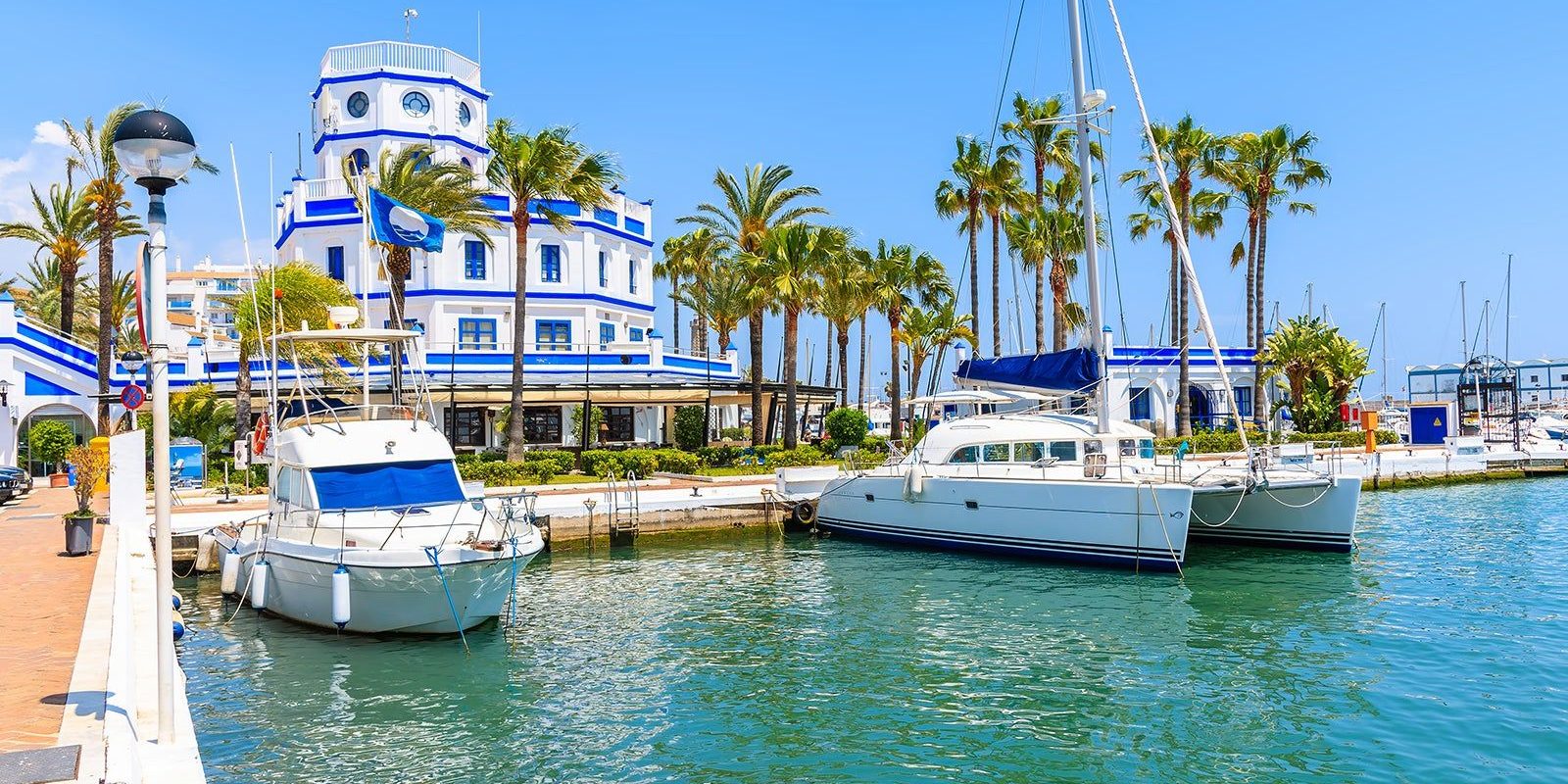
Estepona maintains an active fishing port alongside its leisure marina — a balance that reinforces its identity as a working Mediterranean town, not an artificial resort. This mix contributes to:
Economic diversity
Year-round activity
Stable local employment
These factors indirectly support housing demand and reduce dependence on seasonal tourism cycles.
Gastronomy and Lifestyle Infrastructure
Estepona’s growing gastronomic scene — from beach clubs and contemporary restaurants to traditional eateries — reflects a broader shift toward quality-driven, resident-focused offerings. The presence of established dining venues, markets, and everyday services supports a lifestyle that appeals to:
Families
Retirees
Remote professionals
Long-stay international owners
Lifestyle infrastructure of this kind is a strong indicator of real estate maturity.
Hospitality as a Market Signal
The presence of high-quality hotels and wellness resorts, including beachfront five-star properties and specialised spa destinations, reinforces Estepona’s positioning as a premium but less congested alternative to Marbella.
From an investment standpoint, hospitality assets often act as leading indicators of residential demand, validating location quality and long-term appeal.
What This Means for Real Estate Buyers and Investors
Estepona offers a distinct value proposition:
More space and newer infrastructure than Marbella
Strong urban planning and regeneration
Lower density and less congestion
Increasing international recognition
For buyers seeking primary residences, second homes, or long-term investment assets, Estepona combines lifestyle quality with structural fundamentals that support sustained value growth.
LuxuryForSale.Properties Perspective
At LuxuryForSale.Properties, we view Estepona as one of the Costa del Sol’s most compelling next-generation prime markets. Its blend of heritage, culture, walkability, beachfront access, and controlled development creates an environment where residential real estate can perform sustainably over time.
Whether exploring Old Town properties, beachfront apartments, new developments, or off-market opportunities, Estepona continues to attract discerning buyers looking beyond short-term trends toward long-term value and quality of life.