

Palm Jumeirah, Dubai: the Future of Luxury Living
Introduction: An Island of Ambition
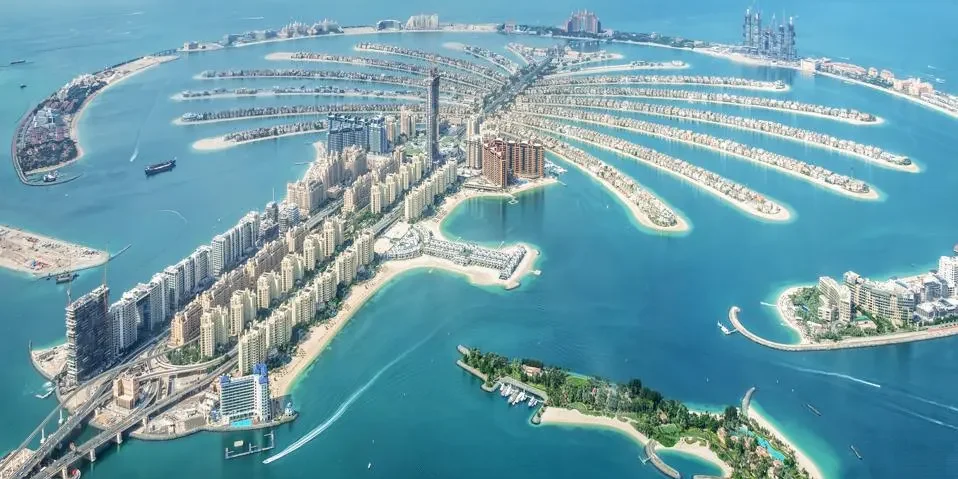
Some addresses are merely impressive. Very few become icons. Palm Jumeirah is one of those rare icons. Framed by the Arabian Gulf on one side and Dubai’s skyline on the other, this engineered island stands as one of the most exclusive residential locations in the world. From its inception as a bold statement of luxury real‑estate ambition, Palm Jumeirah has evolved into a global benchmark for refined living.
For those considering residences here, purchasing is never simply about bricks and mortar — it’s about entering into a narrative of design, prestige and lifestyle. In 2026 the Palm remains Dubai’s most coveted address: ultra‑luxury resorts, pristine beaches, yacht marinas, celeb‑driven restaurants, luxury boutiques, and private estates all coexist. What gives the Palm its staying power is not just architecture, but its ability to evolve to next‑generation expectations while retaining its elite heritage.
Genesis of Prestige: How Palm Jumeirah Was Built
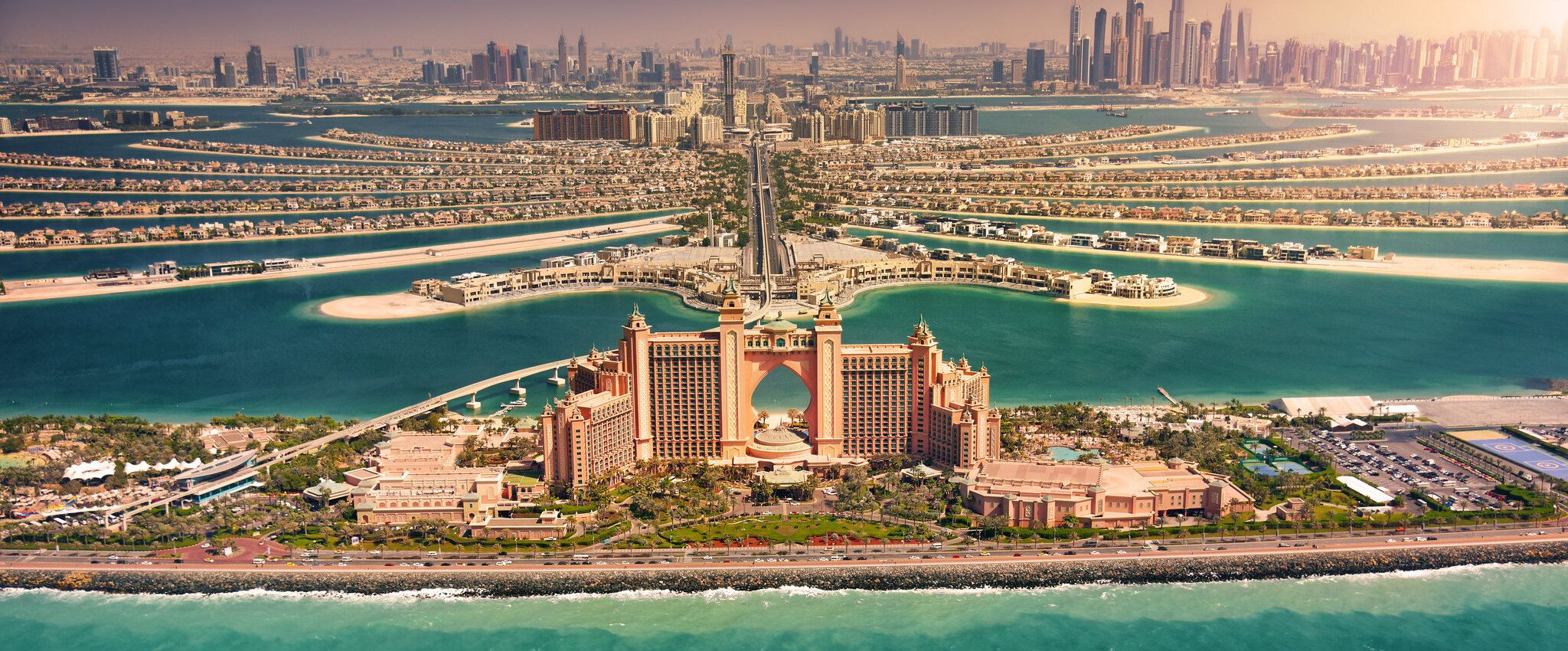
Before the beachfront villas, designer hotels and world‑class dining, Palm Jumeirah was bold engineering, reclaimed land rising from the Gulf. The concept was daring: build a palm‑shaped island, link it to the mainland, and turn it into the ultimate luxury living proposition. The early developers set a template: visible shoreline plots, panoramic views, exclusivity through geography, and a promise of a self‑contained high‑end environment. This foundation created Dubai’s luxury DNA: scale, vision, and the promise of rare living.
The Resort Engine Behind the Myth
The Palm’s legend is powered by its integrated resorts. At its heart are mega‑resorts that do more than host guests— they define the lifestyle. Resorts like Atlantis, The Royal, One & Only The Palm set standards in hospitality, wellness, gastronomy and entertainment. In 2026 these resorts continue to evolve: new fine‑dining venues by global chefs, expanded spa complexes with holistic programmes, private beach clubs with membership tiers, and marina hubs for super‑yachts. Owning a villa near one of these resorts is more than buying property—it’s buying access to a luxury ecosystem.
The Residential Micro‑Markets: Segments of the Palm
In 2026 the Palm is a layered ecosystem with distinct sub‑zones, each catering to different buyer profiles:
The Crescent – The outer ring of the Palm, offering ultra‑secluded mansions with 270° sea views and private jetties. For ultra‑prime buyers seeking maximum exclusivity.
The Trunk – The central spine of the island, combining access to mainland infrastructure with beach‑front or sea‑view homes; more “mainstream luxury” for international buyers.
The Fronds – Individual palm‑leaf arms, more accessible villas and homes with private gardens and sea views. Ideal for families.
Branded Residences & Apartments – High‑rise towers and turnkey properties, often linked to five‑star hotels and international brands, for jet‑set global professionals.
Each micro‑market has its own dynamics, but the most sought‑after homes combine two or more elements: sea frontage, brand/service credentials, privacy and yacht‑access.
Property Types That Define Palm Jumeirah
Luxury on the Palm takes many forms:
Beach‑front Mansions – Direct access to the sand, private piers, guest pavilions, curated gardens, legacy value.
Sea‑view Estates & Villas – Slightly set back from the sand but commanding dramatic water views, designed for scale and privacy.
Branded Apartments & Penthouses – Five‑star hotel‑style amenities, concierge services, “lock‑and‑leave” convenience for international owners.
Ultra‑Prime Residences – Multi‑plot villas, custom build‑to‑suit, often in the Crescent with super‑yacht docks and bespoke design flair.
2026 Market Signals: What’s Driving Value
In 2026 the Palm Jumeirah property market is shaped by the following key drivers:
Scarcity Premium – Prime beachfront plots and villas are finite; new supply is limited which underpins value.
Global Buyer Diversification – Buyers hail from Europe, Gulf region, Asia, North America, seeking tax‑friendly jurisdictions plus lifestyle.
Turnkey & Branded Demand – Younger wealth (digital entrepreneurs, professionals) look for high‑end apartments where everything is managed.
Lifestyle First – Today’s buyers prioritise wellness, privacy, service and flexibility over pure yield.
Technology & Sustainability – Smart‑home infrastructure, green building materials, energy efficiency and handling of sea‑view maintenance are more than extras—they’re expectations.
Buyer Profiles & Lifestyle in 2026
Typical buyer archetypes on the Palm in 2026 include:
Ultra‑High‑Net‑Worth Families – Legacy buyers seeking a long‑term home, multi‑generational estate, maximum privacy and service.
Global Professionals / Entrepreneurs – Age 30‑50, highly mobile, want luxury apartment or penthouse with hotel‑level amenities.
Gulf Region Buyers – With ample liquidity, looking for scale, yacht access, high security and prestige.
Investors from North America / Europe / Asia – Often second homes or relocation, combining lifestyle choice with capital stability.
Daily life on the Palm might start with a sunrise breakfast on the terrace, followed by yacht‑access, a spa session at the resort, kids to international school on the mainland, and dinner at a Michelin‑level restaurant by the water.
Sustainability, Privacy & The New Codes of Luxury
The new luxury in 2026 is intelligent, responsible and personal. On Palm Jumeirah top properties integrate:
Sustainability – solar panels, high‑performance glazing, minimal environmental footprint, water‑wise landscaping.
Privacy – biometric access, curated sight‑lines, architecture that minimises exposure to neighbouring plots.
Well‑Being – private spas, in‑home recovery suites, indoor‑outdoor living, air‑filtration systems, and high‑end landscaping.
Service Integration – concierge apps, yacht‑booking through estate management, seamless cross‑border staff, turnkey readiness.
These features are no longer “extras”; they are baseline expectations for the next generation of luxury living.
Outlook 2026 & Beyond
Looking ahead to 2026 and beyond on Palm Jumeirah:
Core luxury segments (beach‑front villas) are expected to see stable to moderate price growth (e.g., +3‑6%), as supply remains tight and demand global.
Branded apartments & turn‑key residences may see stronger growth (+5‑8%) due to appeal to younger, mobile international buyers.
Absorption: Truly prime homes may take longer to transact (120‑180 days) given buyer selectivity and price points; but well‑positioned branded units may sell faster (60‑90 days).
Opportunities: Redevelopment/refurbishment of older villas, conversion to smart homes, leasehold models for institutional investors.
Risks: Rising construction/maintenance costs, regulatory shifts (especially around leasing/tourism use), competition from emerging luxury markets (e.g., elsewhere in UAE).
Key themes: Connectivity (to the airport, to Europe/Asia), service standards, brand affiliation, and sustainability will increasingly differentiate value.
Final thought: Palm Jumeirah’s Next Chapter — and Yours
Palm Jumeirah is not just an address — it is where engineered ambition meets curated lifestyle, where luxury becomes legacy. In 2026, the fundamentals remain: rarity, design pedigree, and experiential living. Branded residences refine the lifestyle layer, younger global wealth elevate standards of finishes and wellbeing, while families seeking long‑term homes prioritise security, schools and access to international networks.
Ultimately, the greatest return here is not just financial but emotional: a sunrise over the gulf, a yacht departure at dusk, memories built for generations.
When you are ready to explore, consider how your narrative — your legacy — might unfold here. Palm Jumeirah awaits.